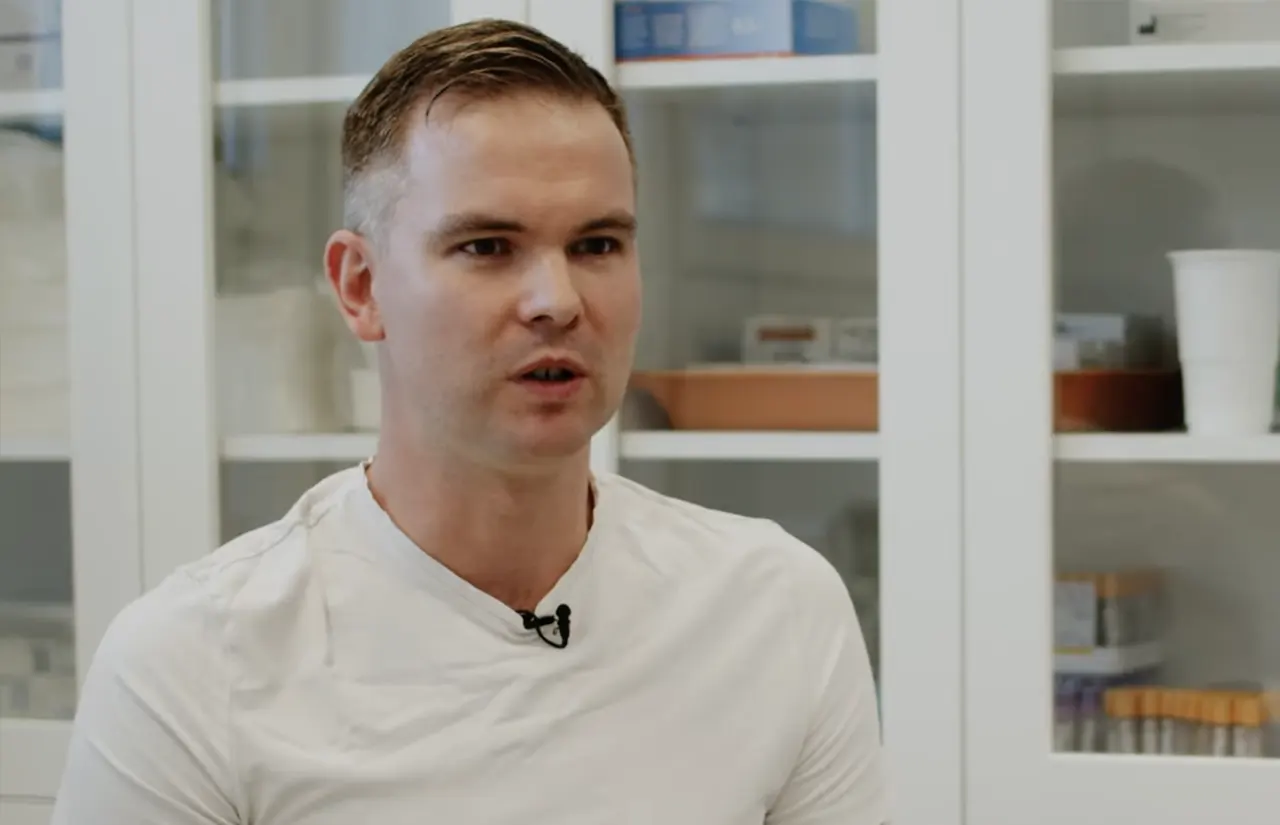
Lung cancer is one of the deadliest diseases—not only because of its high mortality rate, but also due to the difficulty of detecting it at an early stage. This is where artificial intelligence is emerging as a potential game-changing tool. In an interview with Pavel Špás, MD, pulmonologist at OTRAN Kutná Hora, we discussed the possibilities and benefits of using AI in lung cancer diagnostics.
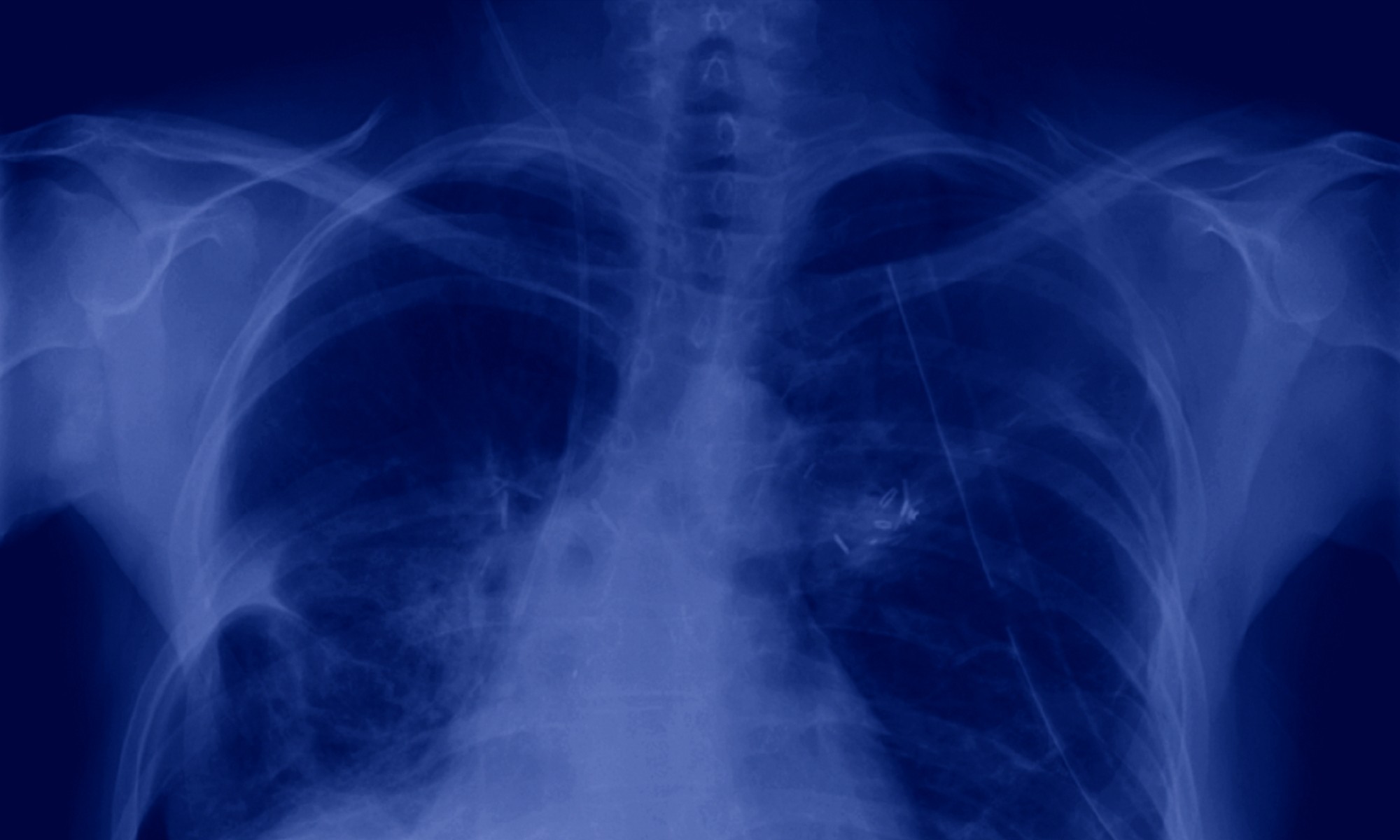
“If a routine chest X-ray from a patient with lung cancer were analysed by artificial intelligence, the lesion could be detected earlier, potentially saving the patient’s life,” he says.
According to him, artificial intelligence can play a crucial role not only in the rapid identification of pathological findings, but also in reducing the workload of physicians who face an increasing number of patients and increasingly complex diagnostic demands. Automated systems can help detect subtle abnormalities that may be overlooked at first glance, allowing doctors to devote more time to personalised patient care.
Another important aspect he highlights is the psychological burden associated with radiological work.
“Every day, you have to make fast and accurate decisions. Technologies such as AI can help ease this pressure and help ensure that patients receive the highest possible standard of care,” he adds.
Early detection of lung cancer is also the focus of a pilot programme launched by Carebot in collaboration with the global biopharmaceutical company Bristol Myers Squibb. This innovative partnership enables the integration of Carebot’s AI-based solution, which supports physicians in the evaluation of X-ray images, with the aim of improving diagnostic accuracy and accelerating the identification of early-stage lung cancer.
The interview is part of the “AI in the Hands of Doctors” series, which showcases how modern technologies are transforming everyday clinical practice. The full video interview is available on our website.