What the study evaluated
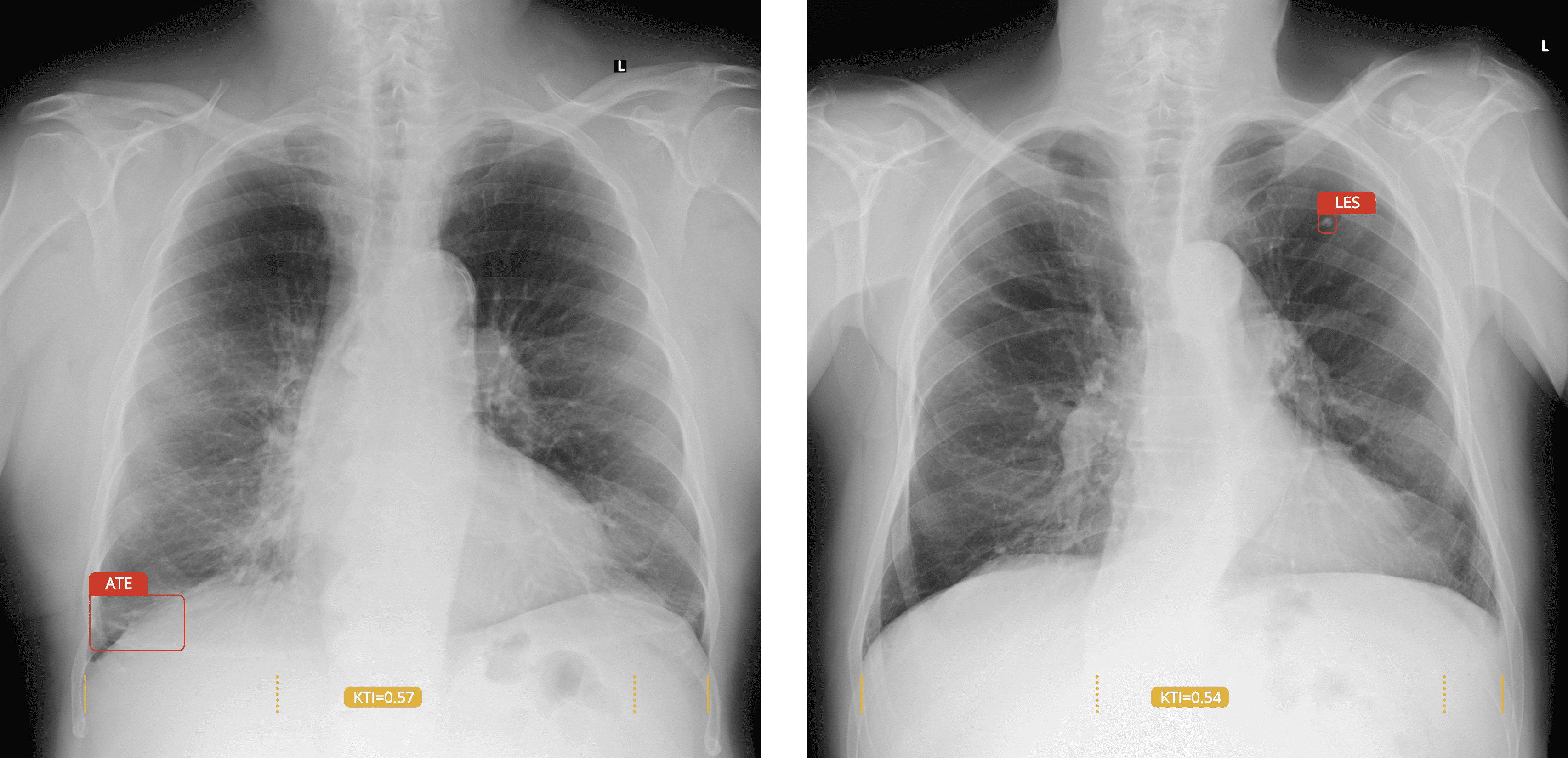
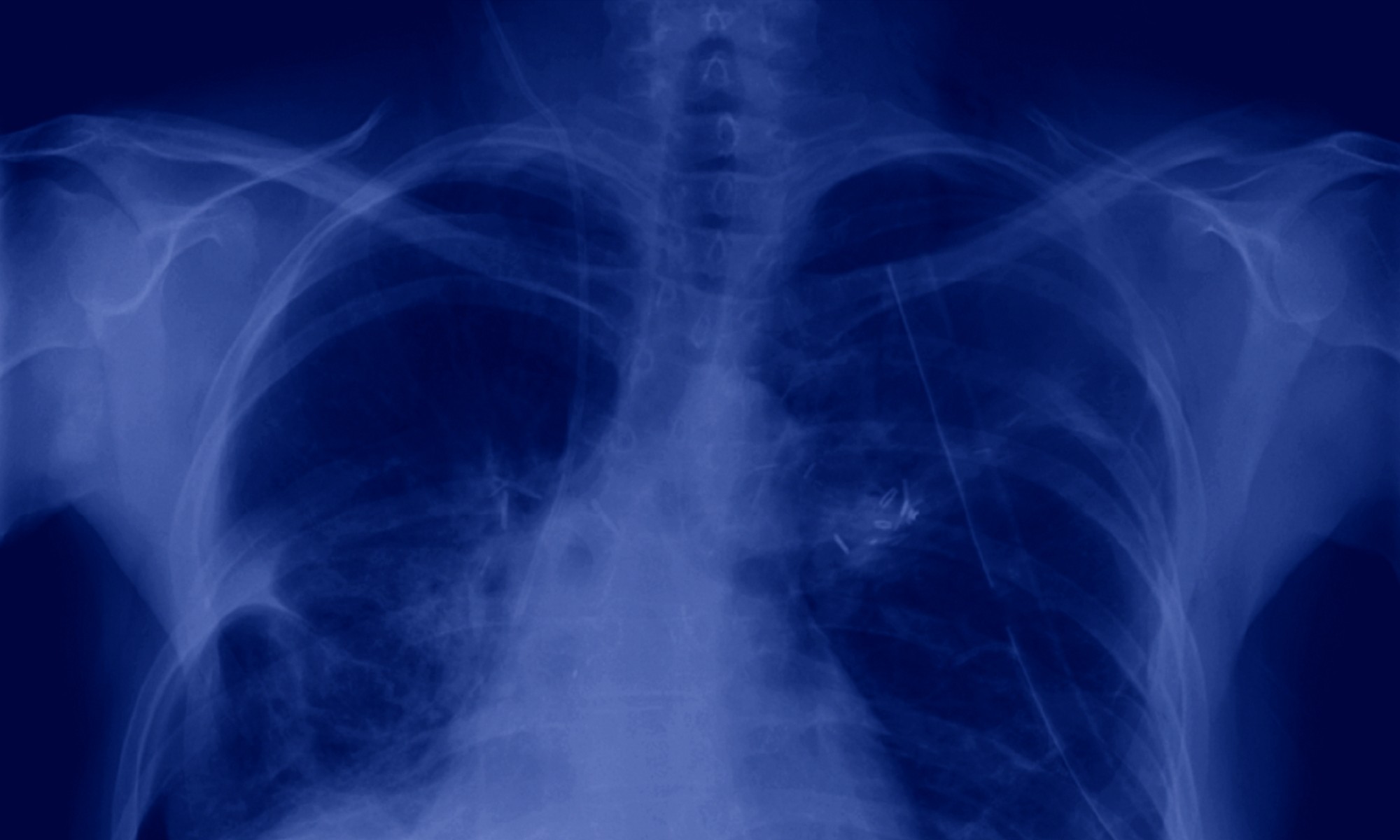
The study analysed the role of an AI-based deep learning model for early detection of pulmonary lesions on chest X-rays using data from two retrospective Czech cohorts. The evaluation covered both a general hospital setting with low lesion prevalence and a specialised oncology-focused setting. AI outputs were compared with radiologist interpretations across different experience levels, with expert consensus as reference.
Study results in clinical practice
Across both retrospective studies, AI demonstrated high sensitivity for detecting pulmonary lesions, including subtle findings that may be overlooked in routine practice. Specificity was lower than that of most radiologists, leading to more false-positive alerts. In clinical practice, this supports the use of AI as a sensitivity-focused safety layer that highlights potentially relevant findings early, while final decision-making remains with the radiologist.
Key numbers
Two retrospective real-world datasets
General hospital + specialised oncology setting
Consistently higher sensitivity than radiologists
Lower specificity than most radiologists
Designed to prioritise early detection over false-positive reduction
Abstract
In recent years, the healthcare industry has undergone significant changes associated with the exponential growth of technological innovation. Among the most significant trends is the use of artificial intelligence (AI). Based on research, particularly in the field of radiodiagnostics, AI has the potential to significantly increase the accuracy and efficiency of diagnosis. We focus on the potential use of AI in the diagnosis of focal changes in the lung parenchyma, which may be a manifestation of lung cancer, based on chest scans. Although this modality has a lower sensitivity compared to other methods, especially computed tomography (CT) of the chest, due to its routine performance it very often represents the first examination in which lung lesions are detected. We present our own solution based on deep learning methods to increase the detection of lung lesions, especially in the early stages of the disease. We then present the results of our previous original work validating the proposed model in two different clinical settings: a catchment hospital setting with a low prevalence of findings and a specialized cancer center setting.