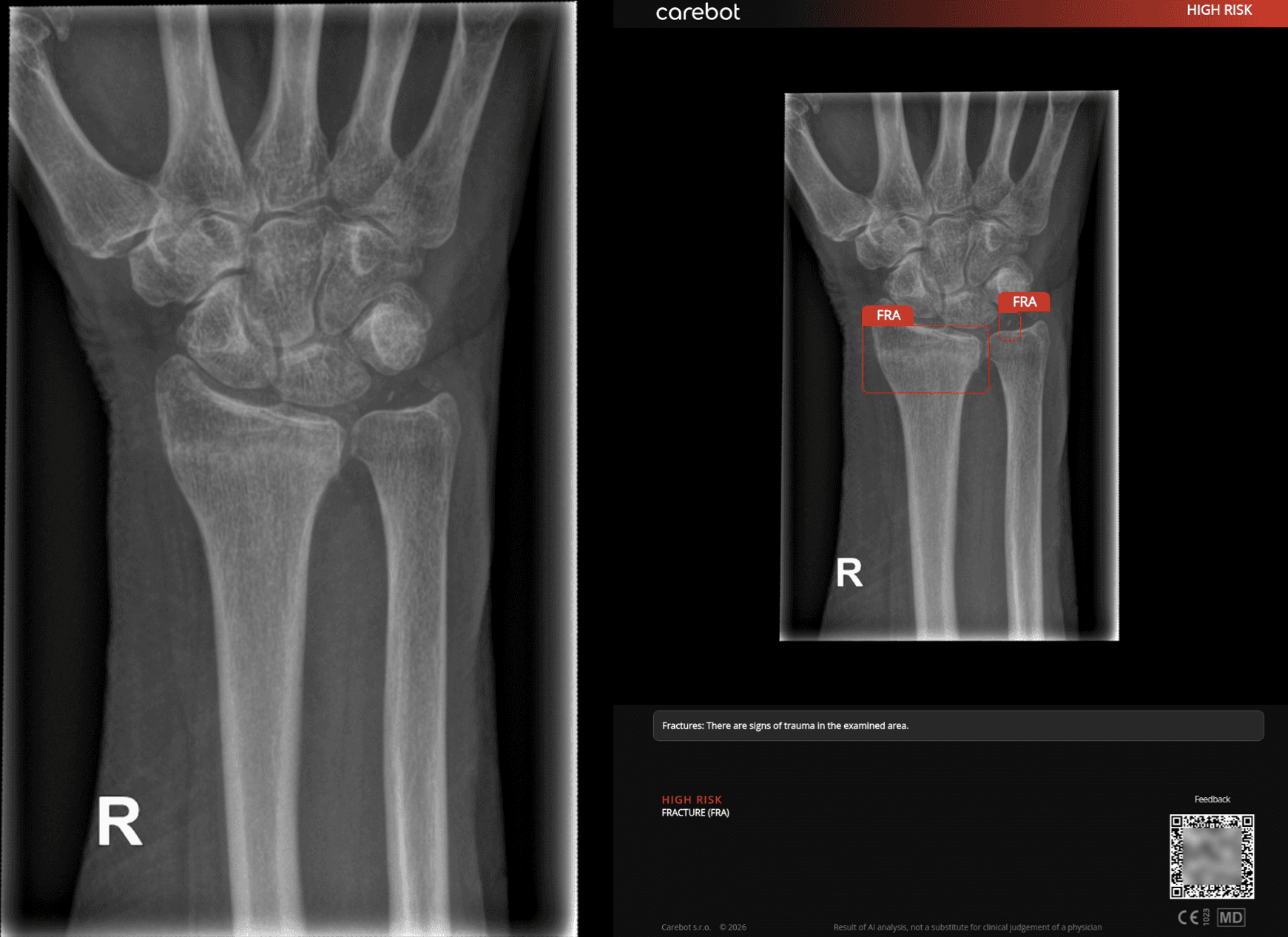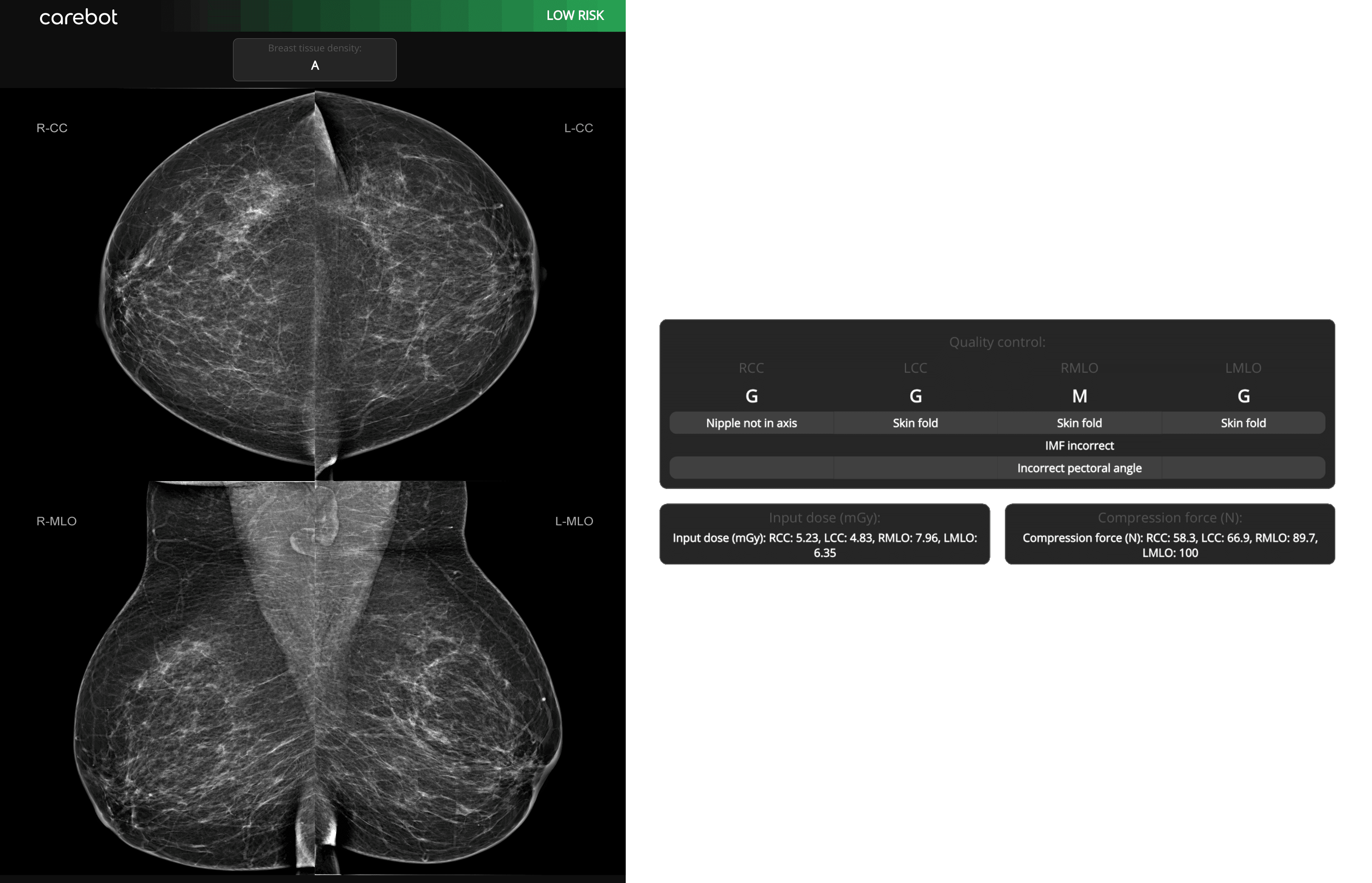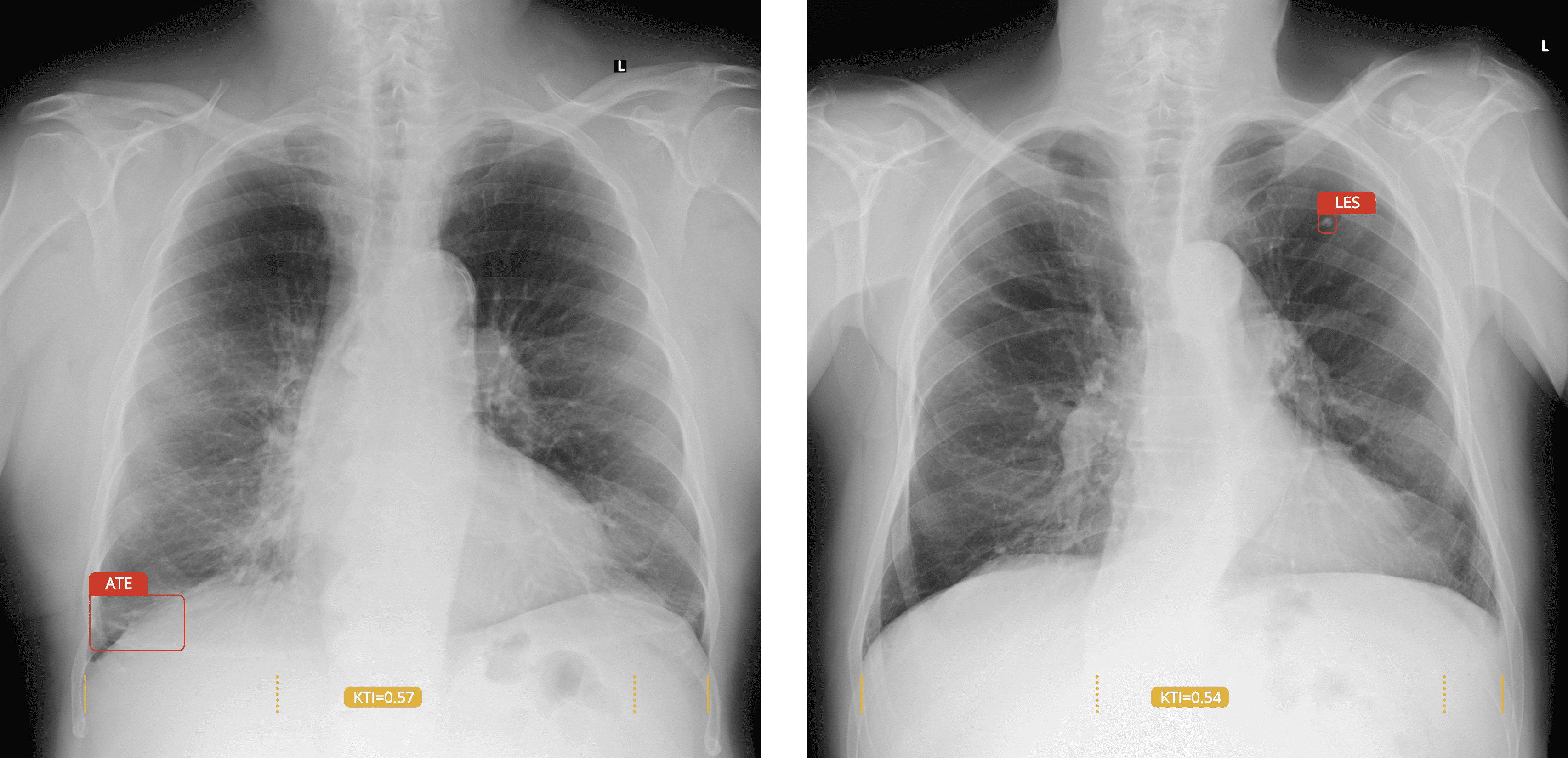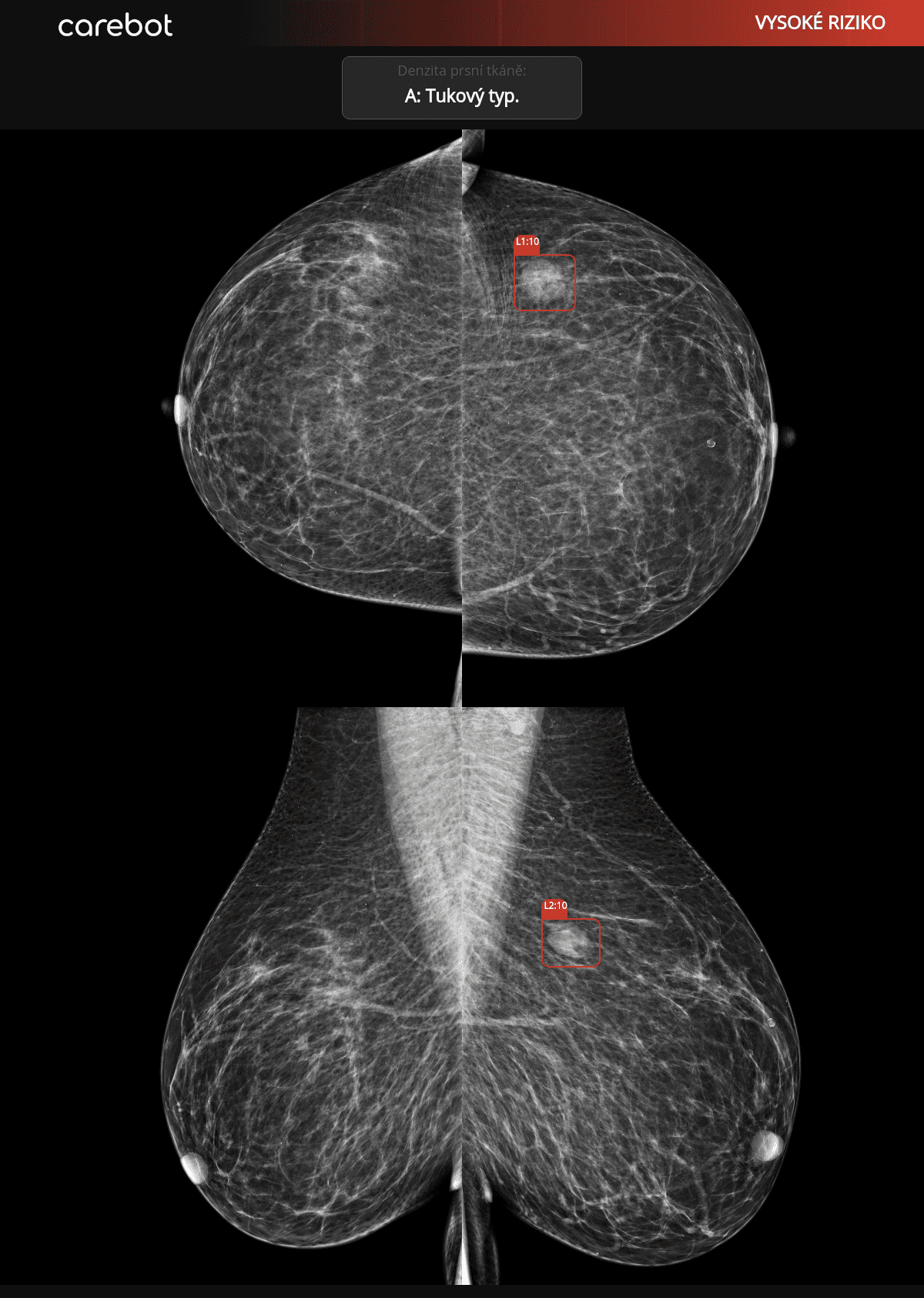
What the study evaluated
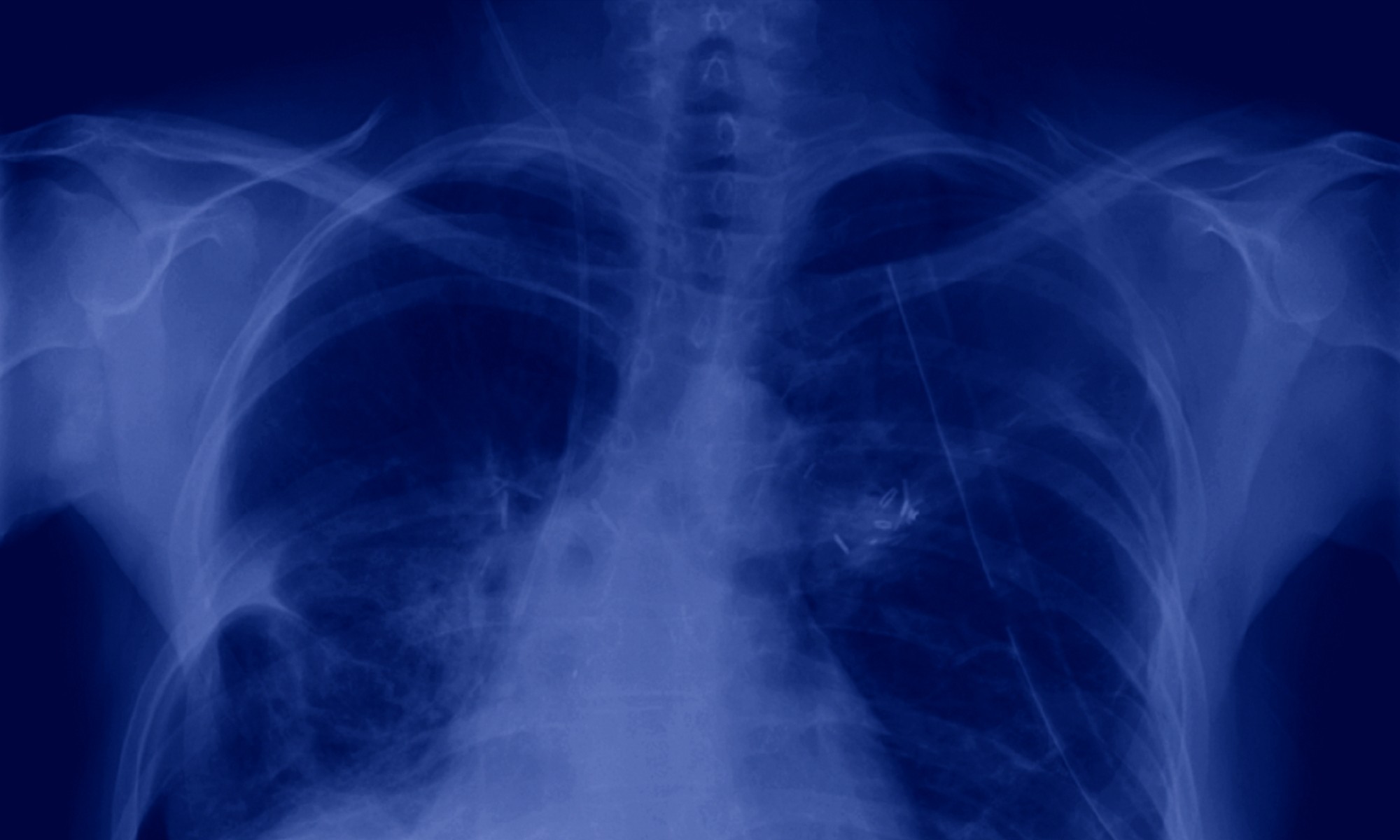
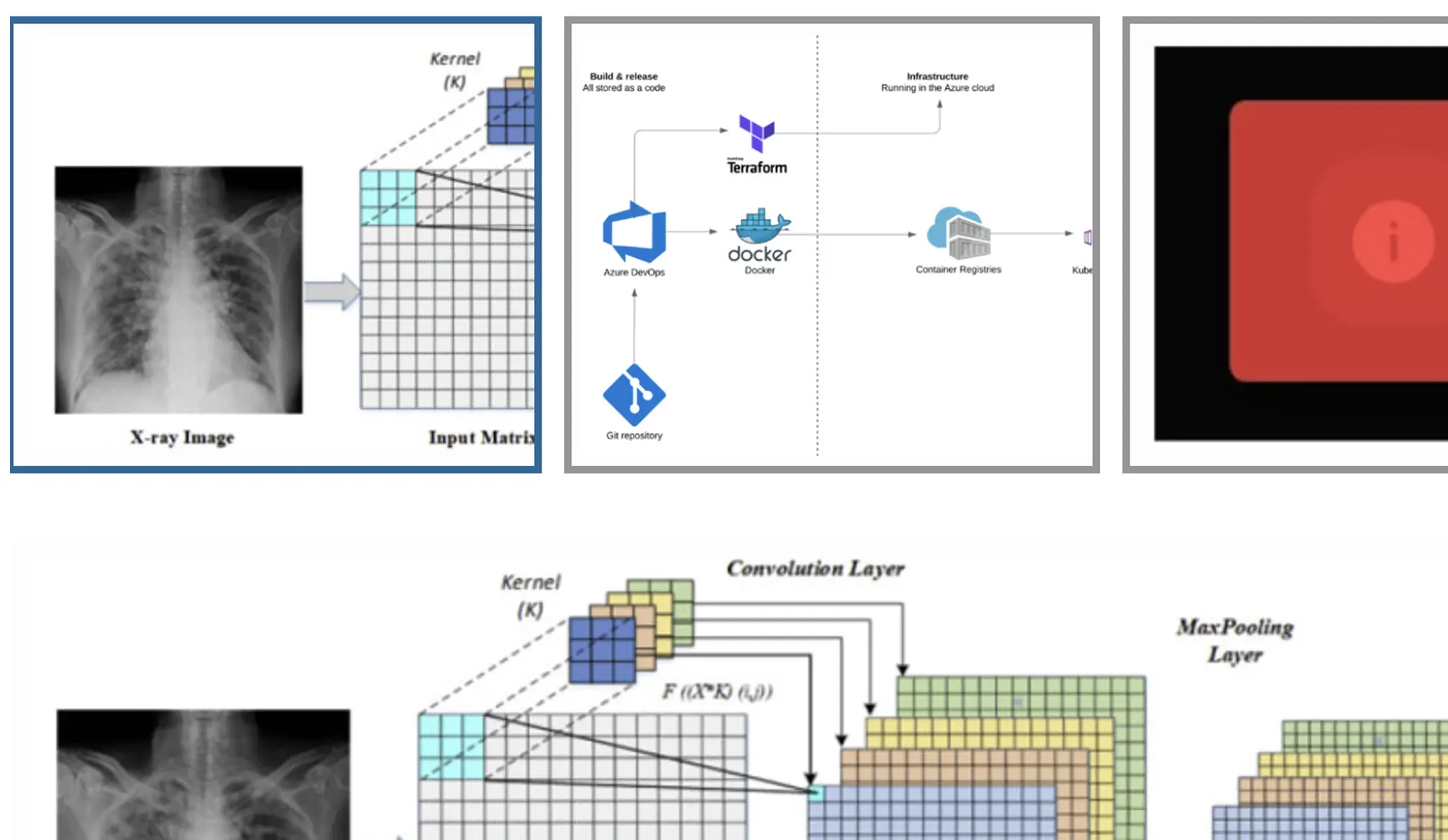
The study presents a real-world implementation of a convolutional neural network (CNN)-based assistive diagnosis system (the Carebot COVID app) for detecting COVID-19 from chest X-ray images. The model uses DenseNet/ResNet architecture and is built to be deployed directly into clinical imaging workflows (e.g., DICOM viewers) as part of everyday radiology practice. The aim is to test feasibility of integrating deep learning into routine CXR interpretation for infectious disease screening. arXiv
Study results in clinical practice
In retrospective evaluation, the CNN model achieved very high classification performance for distinguishing COVID-19 cases on chest X-rays. While this study is preprint and not peer-reviewed, the results suggest strong potential for AI to support rapid screening and triage in settings where PCR or rapid testing may be limited, and where radiology workload is high. Clinically, this means the system could help reduce missed infectious cases and assist less experienced clinicians in flagging probable COVID-19 findings for further review. arXiv
Key numbers
Model architecture: DenseNet + ResNet CNN
Precision: 98.1%
Recall (sensitivity): 96.2%
Average precision (AP): 99.3%
(As reported in preprint validation.) arXiv
Abstract
One of the critical tools for early detection and subsequent evaluation of the incidence of lung diseases is chest radiography. This study presents a real-world implementation of a convolutional neural network (CNN) based Carebot Covid app to detect COVID-19 from chest X-ray (CXR) images. Our proposed model takes the form of a simple and intuitive application. Used CNN can be deployed as a STOW-RS prediction endpoint for direct implementation into DICOM viewers. The results of this study show that the deep learning model based on DenseNet and ResNet architecture can detect SARS-CoV-2 from CXR images with precision of 0.981, recall of 0.962 and AP of 0.993.