A retrospective review of chest X-rays in a patient in their 60s revealed that artificial intelligence identified a suspicious lung lesion almost 20 months before lung cancer was first diagnosed in routine clinical practice. This case shows the real potential of AI to shift lung cancer detection to a much earlier stage.
Case report: AI detection of a suspicious lung lesion with a 20 month lead time
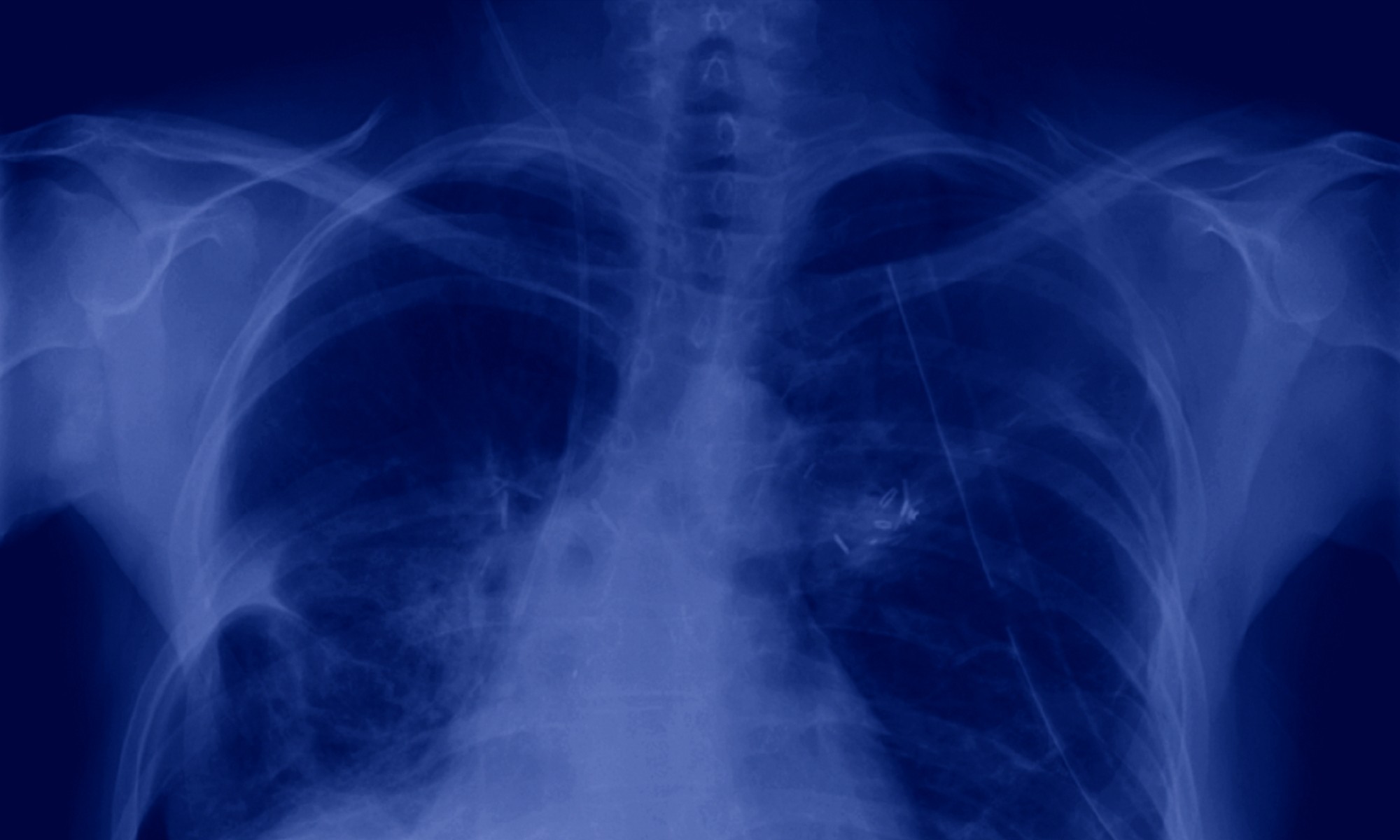
In a patient in their 60s, a chest X ray showed a newly developed, well defined lesion in the right lower lung field, on the background of bilateral reticulonodular changes with basal predominance.
This finding triggered additional diagnostic workup, which confirmed primary lung cancer. The treatment plan included neoadjuvant therapy followed by planned surgical intervention. The patient was treated with nivolumab.
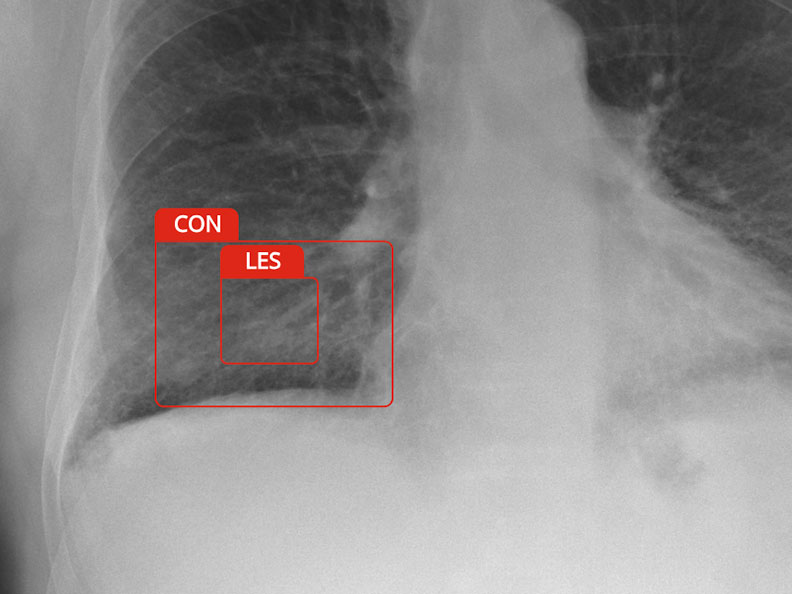
A retrospective review of an earlier chest X ray revealed that Carebot AI CXR had already flagged a suspicious focal process in the same location.
The time difference between the AI alert and the first clinical diagnosis at the site was approximately 20 months.
What this case shows
This case highlights the practical limits of routine clinical workflows. Large volumes of imaging, time pressure and cognitive load increase the risk that subtle early changes remain unnoticed.
AI works differently.
It does not get fatigued.
It compares images over time.
It evaluates every scan with the same level of attention.
In this case, earlier detection could have meant diagnosis at a much earlier stage of disease. In lung cancer, time strongly influences treatment options and prognosis.
AI as a second reader in everyday practice
Artificial intelligence in imaging is not a replacement for physicians. It is a support tool that reduces the risk of oversight and helps surface early, subtle changes on imaging studies.
This case shows that the impact of AI is not hypothetical or future facing. A 20 month lead time in cancer detection can be the difference between curative intent and limited treatment options.