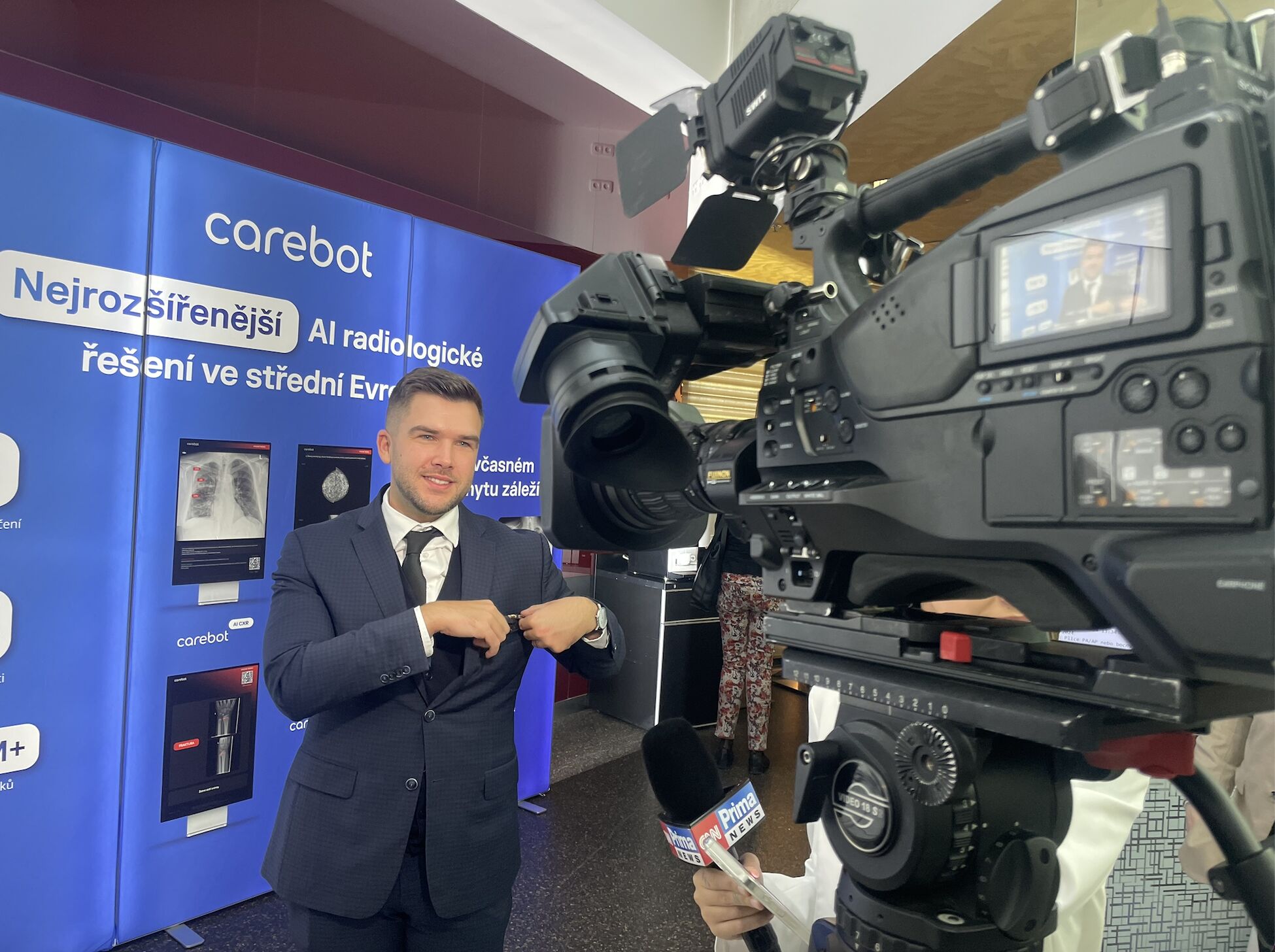
ECR 2026 was an important milestone for Carebot, bringing new scientific evidence, technology updates and valuable discussions with radiologists from across Europe. During the congress, the team presented research focused on early lung cancer detection, introduced a major update of Carebot AI Bones and contributed multiple scientific posters reflecting the growing body of clinical validation behind its AI solutions.
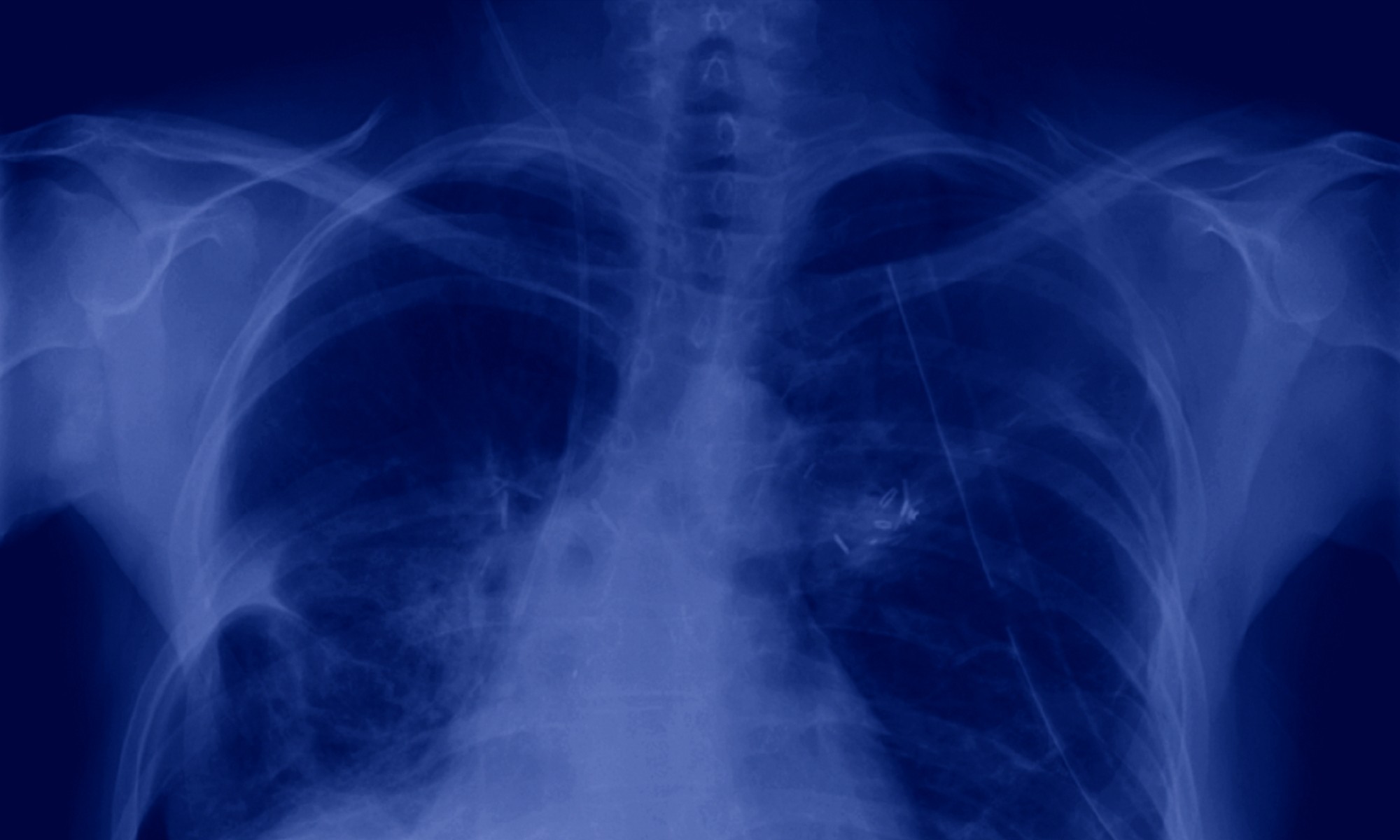
One of the highlights was the presentation by Carebot CTO Daniel Kvak, who shared results of a study exploring how artificial intelligence can support earlier detection of lung cancer on chest X ray images. Early diagnosis remains one of the most important factors influencing patient outcomes. The research demonstrated how AI can assist radiologists by highlighting subtle findings that might otherwise remain unnoticed and help shift diagnosis to an earlier stage.
Another important announcement at ECR was a new release of Carebot AI Bones. The updated model significantly improved system performance, increasing specificity by up to 10 percent while maintaining high sensitivity for fracture detection. Fractures on X ray images can often be difficult to identify, especially when findings are subtle or hidden within complex anatomical structures. AI can therefore serve as a reliable second pair of eyes during image interpretation.
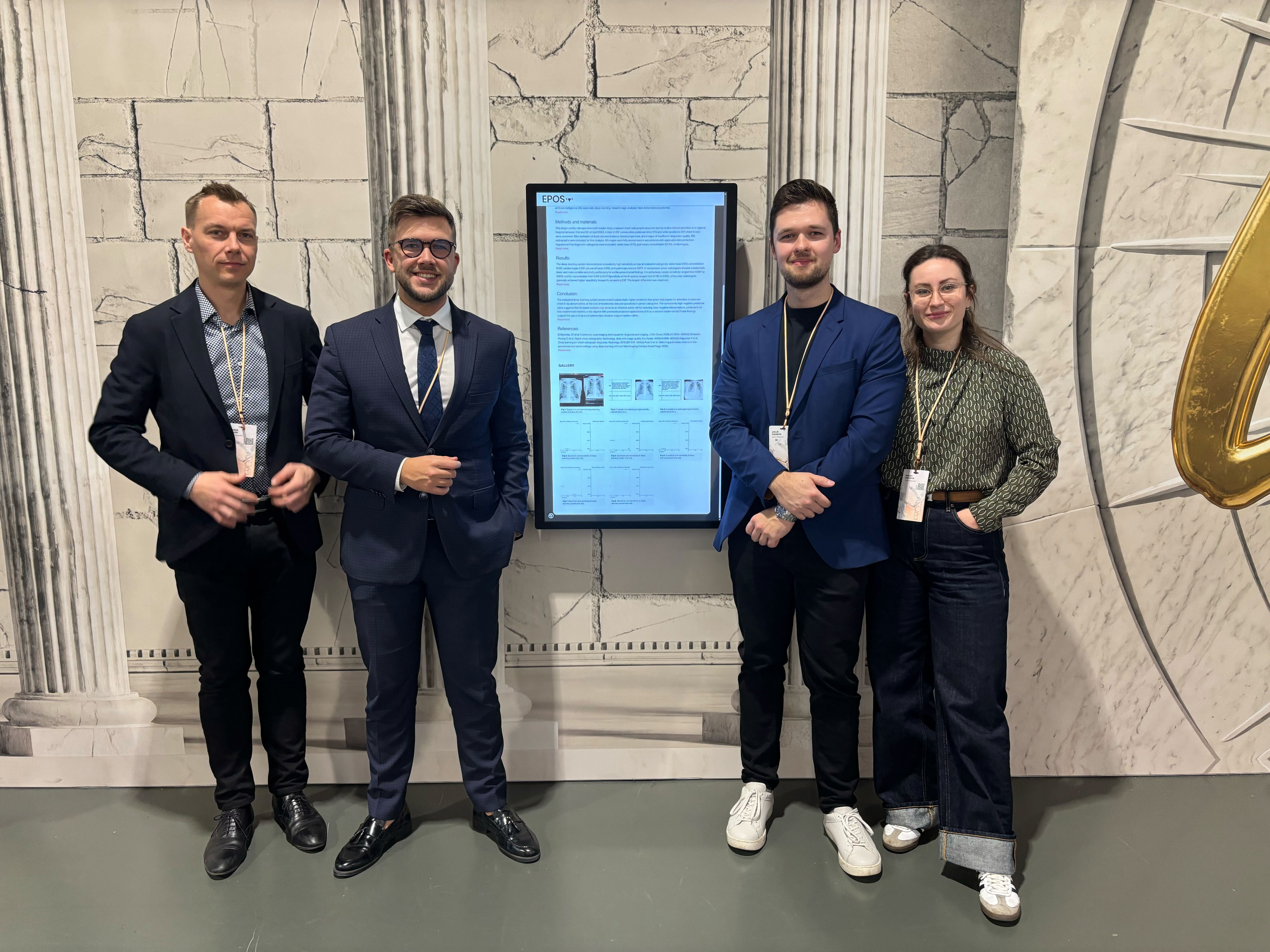
One example from the updated model showed how the system successfully detected a complex supracondylar fracture of the humerus that had previously been overlooked. The reliability of Carebot AI Bones has already been confirmed in several published clinical studies, one of which was also presented at ECR by Medical Data Manager Jakub Dandár.
Throughout the congress, Carebot was also among the most frequently represented research groups in the poster sessions, reflecting the company’s strong focus on clinical validation and evidence based development. ECR also provided space for many valuable discussions about the implementation of AI in real clinical environments and how these technologies are gradually becoming part of everyday radiology practice.