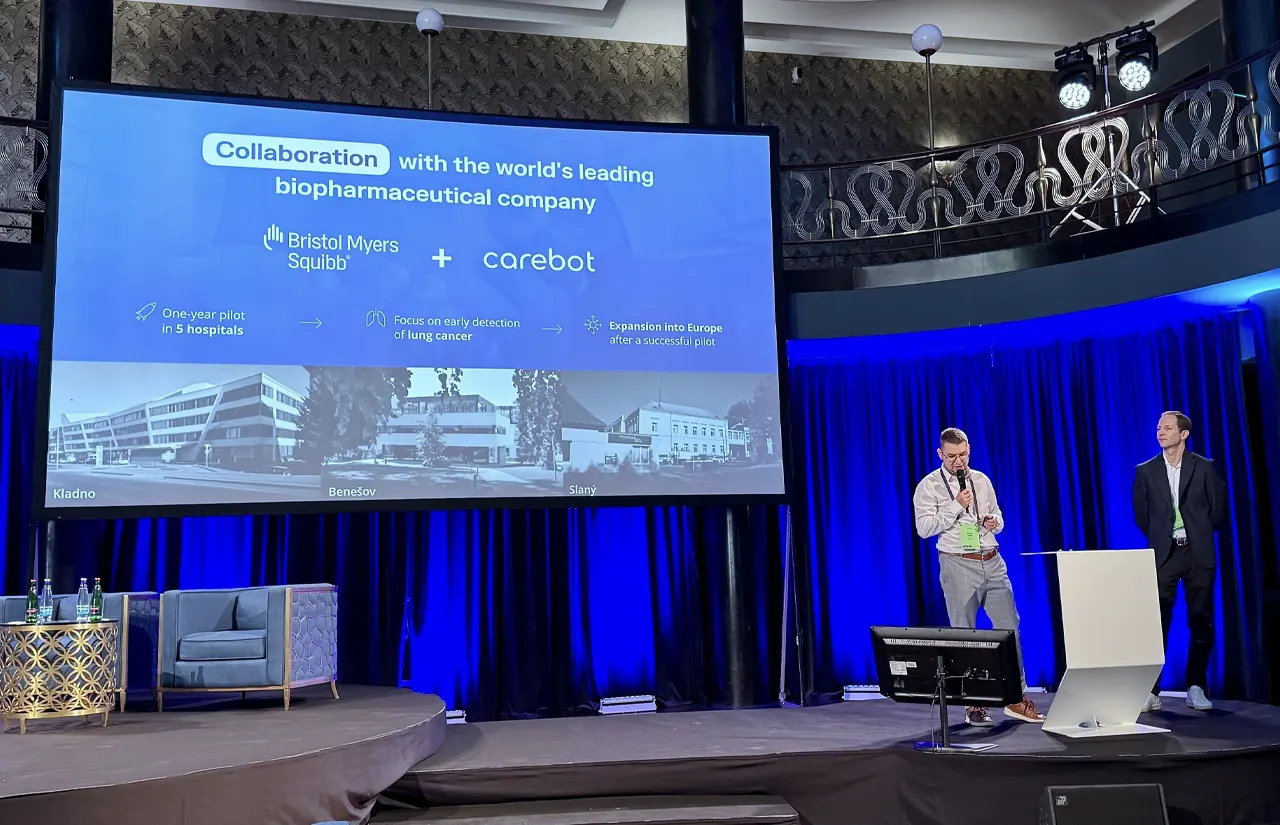
Carebot, a Central European leader in medical imaging and artificial intelligence, has entered into a collaboration with the global biopharmaceutical company Bristol Myers Squibb (BMS) with the shared goal of improving the early detection of lung cancer. The partnership focuses on demonstrating how artificial intelligence can be meaningfully integrated into everyday clinical practice to help identify lung cancer at a stage when treatment options are significantly more effective.
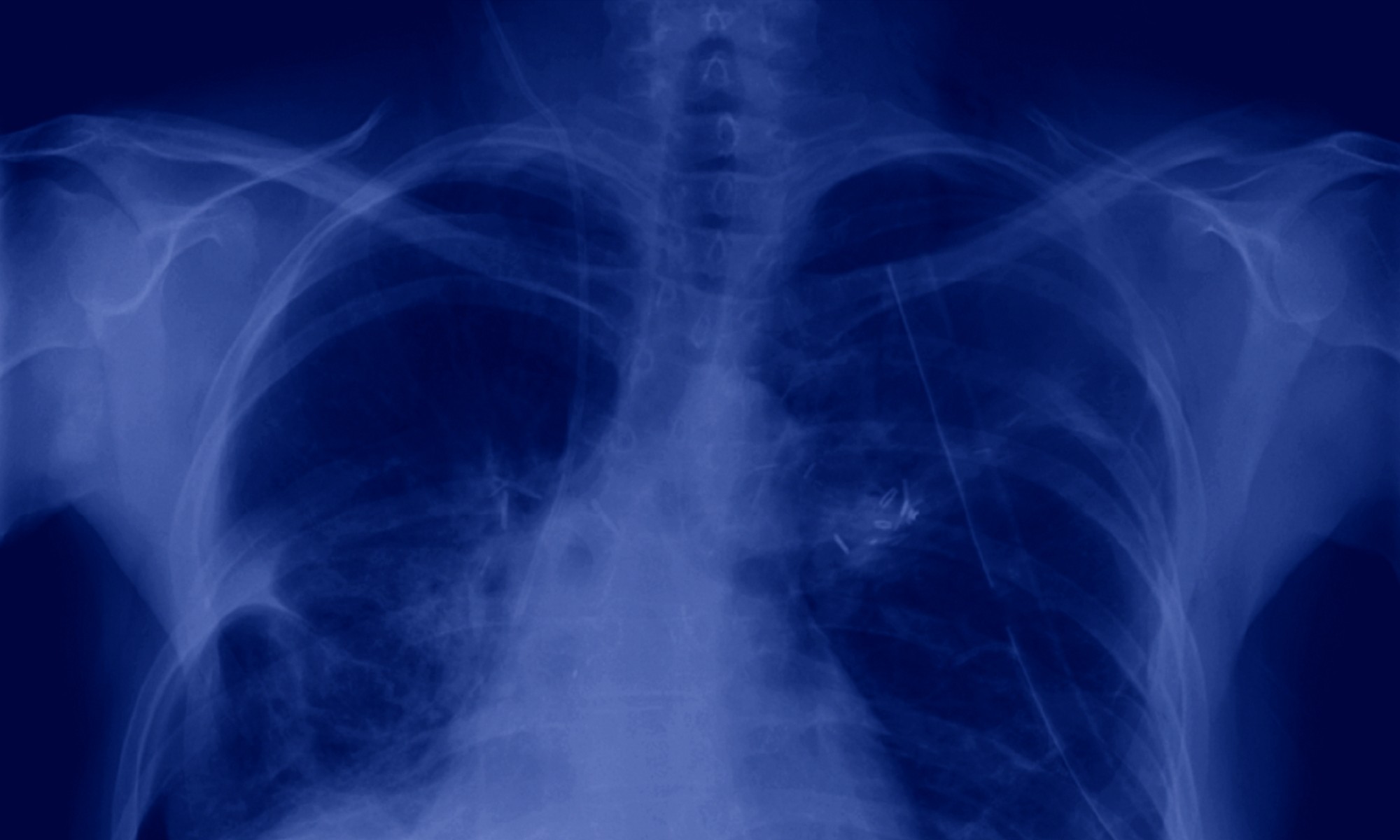
The collaboration enables the deployment of Carebot’s AI-based solution, which assists physicians in the evaluation of chest X-ray images. By analysing not only targeted examinations but also routinely performed chest X-rays, the system aims to increase diagnostic accuracy and accelerate the identification of early-stage lung cancer.
“We are very pleased to have partnered with Bristol Myers Squibb on this pivotal project,” says Daniel Kvak, CEO of Carebot. “Our AI has the potential to contribute significantly to earlier detection of lung cancer, when treatment is most effective. Together with Bristol Myers Squibb, we aim to help change the way lung cancer is diagnosed.”
Addressing a Critical Challenge in Lung Cancer Care
Despite advances in oncology, lung cancer remains one of the most challenging diagnoses in modern medicine. A large proportion of patients are still diagnosed at stage III or IV, when the prognosis is poor and treatment options are limited. The Carebot–BMS collaboration seeks to address this issue by focusing on earlier detection in real-world clinical settings.
As part of the project, Carebot and Bristol Myers Squibb plan to introduce the AI solution into selected regional hospitals and their associated oncology centres. The objective is to assess whether the systematic use of artificial intelligence in routine radiological workflows can help identify early-stage lung cancer in patients who would not otherwise be suspected of having the disease.
From Routine X-rays to Earlier Diagnosis
Carebot’s system continuously analyses chest X-ray images, including those performed for routine or unrelated clinical reasons. This approach makes it possible to detect small, early lesions that clinicians may not be actively searching for in a given patient at that moment.
Patients identified through the AI-supported workflow will then be followed through subsequent diagnostic procedures and treatment pathways. This will allow the partners to evaluate the clinical impact of artificial intelligence—from earlier suspicion and diagnosis to treatment decisions and outcomes.
Advancing New Approaches to Early Detection
Beyond the immediate pilot deployment, the collaboration also reflects a broader ambition: to contribute to the development and validation of new diagnostic approaches that can be scaled across healthcare systems.
By combining Carebot’s expertise in medical imaging AI with Bristol Myers Squibb’s long-standing commitment to oncology, the partnership aims to generate real-world evidence demonstrating how artificial intelligence can support physicians and ultimately improve patient outcomes in lung cancer care.