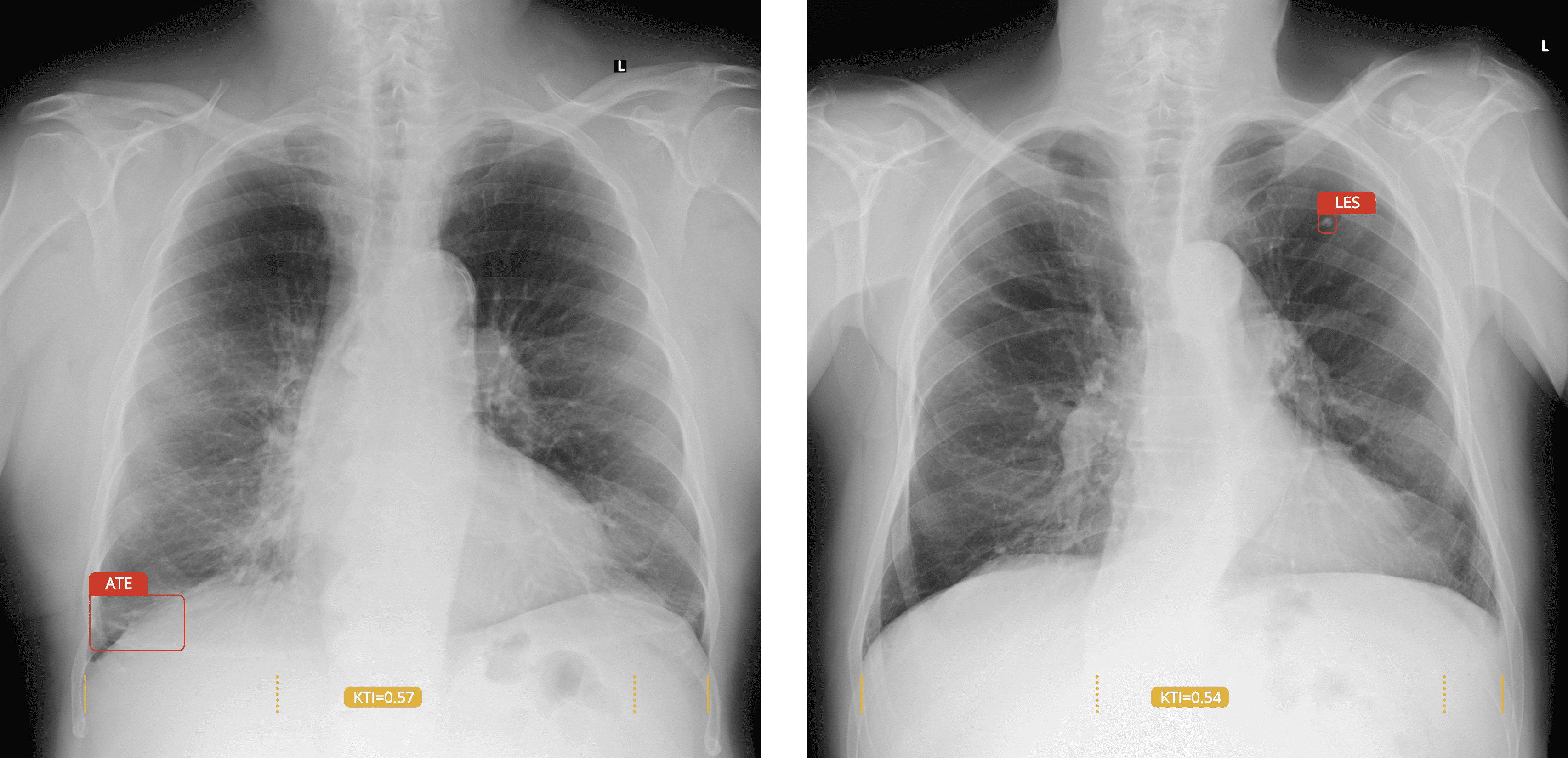
What the study evaluated
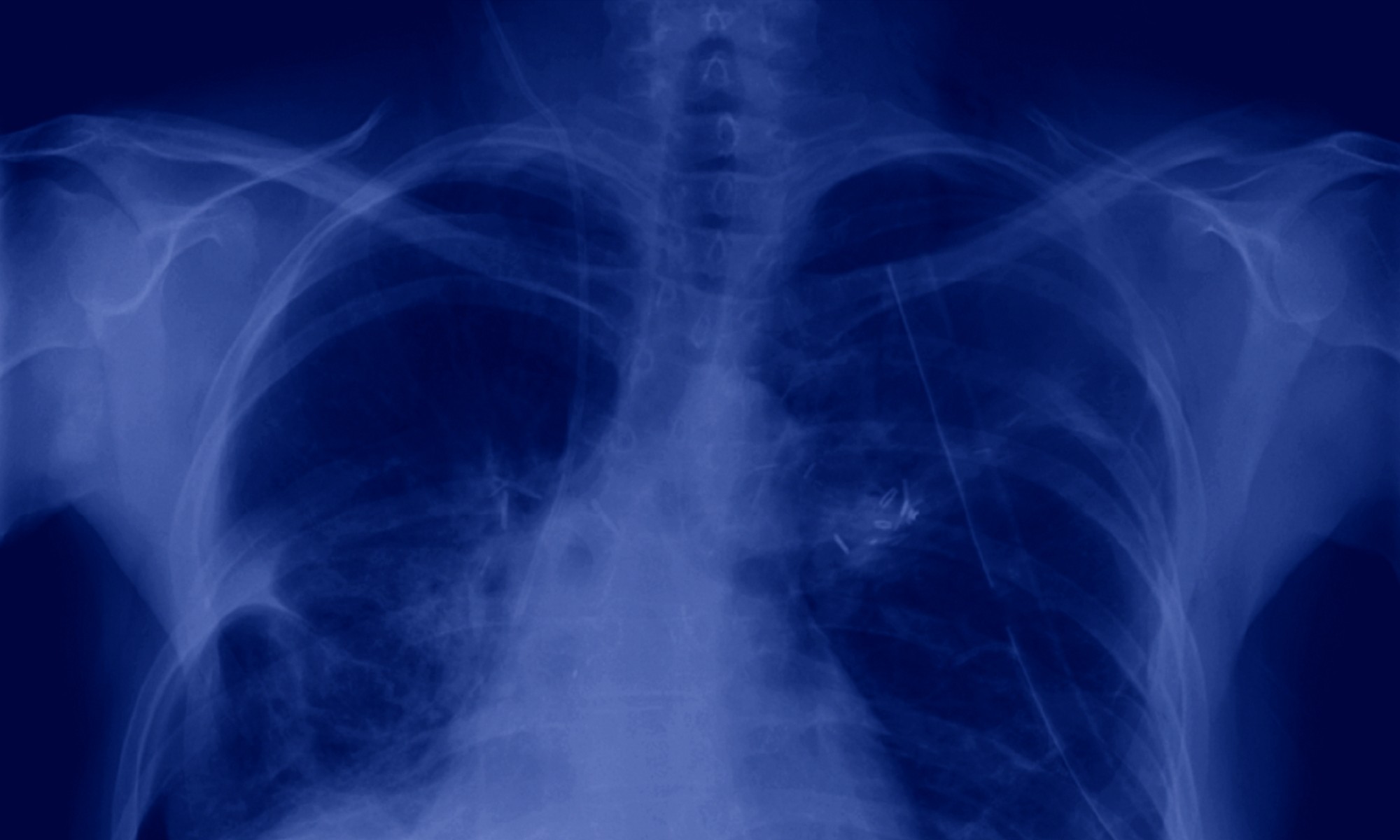
The study evaluated how Carebot AI CXR performs in a routine outpatient setting, where clinically relevant chest X-ray findings are relatively uncommon.
A total of 213 consecutive chest X-rays from EUC Clinic Brno were analyzed. Six radiologists independently reviewed each examination, and the AI system evaluated the same cases for four common findings: atelectasis, consolidation, pleural effusion, and pulmonary lesions. The reference standard was established by two thoracic radiologists, with third-reader adjudication in cases of disagreement.
Study results in clinical practice
Carebot AI CXR showed high specificity and very high negative predictive value across the evaluated findings. This is particularly important in outpatient care, where the prevalence of abnormalities is low and reliable exclusion of negative findings is clinically valuable.
The AI achieved strong performance for atelectasis, consolidation, and pleural effusion, with sensitivity ranging from 0.800 to 1.000 and specificity from 0.965 to 0.980 for these findings. For pulmonary lesions, the AI favored sensitivity over specificity, detecting more potential lesions but also producing more false positives than some radiologists.
In practice, these results support the use of Carebot AI CXR as a second-reading tool in outpatient workflows, especially as a safety net for missed findings and for prioritizing potentially abnormal examinations.
Key numbers
Study cohort: 213 outpatient chest X-rays
Readers: 6 radiologists
Reference standard: 2 thoracic radiologists with third-reader adjudication
Target findings: atelectasis, consolidation, pleural effusion, pulmonary lesions
Finding prevalence: 3.29% to 7.51%
AI sensitivity: 0.800 to 1.000 across findings
AI specificity: 0.917 to 0.980 across findings
AI NPV: 0.985 to 1.000 across findings
Best AI performance: pleural effusion, with sensitivity 1.000, specificity 0.970, and NPV 1.000
MRMC comparison: AI showed higher balanced accuracy than mean radiologist performance for all four findings, statistically significant for atelectasis and pleural effusion
Abstract
Chest X-ray is frequently used in outpatient care, where clinically relevant abnormalities are uncommon and the value of artificial intelligence depends on reliable performance in a low-prevalence case mix. This retrospective multi-reader, multi-case study evaluated Carebot AI CXR on 213 consecutive outpatient chest X-rays acquired at EUC Clinic Brno. Six radiologists and the AI system independently assessed each examination for four common findings: atelectasis, consolidation, pleural effusion, and pulmonary lesions. Ground truth was established by two thoracic radiologists, with third-reader adjudication of disagreements. The adjudicated prevalence of the target findings was low, ranging from 3.29% to 7.51%. Across the four findings, Carebot AI CXR achieved sensitivity between 0.800 and 1.000, specificity between 0.917 and 0.980, and consistently high negative predictive values between 0.985 and 1.000. The AI showed particularly strong performance for pleural effusion, reaching sensitivity 1.000, specificity 0.970, and NPV 1.000. Compared with mean radiologist performance, the AI showed higher balanced accuracy for all four findings, with statistically significant differences for atelectasis and pleural effusion. The results suggest that Carebot AI CXR can provide reliable support in outpatient chest X-ray reporting, especially as a second-reading safety net and as a tool for prioritizing potentially abnormal examinations.